The draft Gospel Oak and Haverstock Community Vision (December 2021) emphasises good housing is a primary goal of the neighbourhood development. However, the Vision’s authors ignore the area’s stock of terraced housing and potential for providing additional ‘residential’ space on its footprint with roof extensions.
Camden undertook a comprehensive study of housing types in our area in 2015.

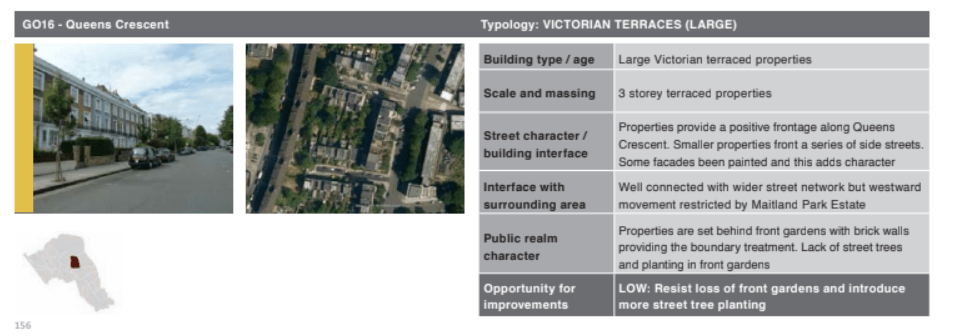
Most houses in the area mostly do not have roof extensions. Adding 20% more residential floor-area to 100s of homes is an important way to increase housing capacity . The council knows local people want to extend their homes with roof extensions because it has refused planning consent to so many.
The application of planning policy is discretionary. A Special Planning Document such as the Vision could be a “material consideration” supporting roof extensions. The Vision is a simple way for Camden to adjust its planning stance and thereby increase local housing capacity in a way that encourages families to stay in the area.
The ‘butterfly roofs’ that are the most common form on the 19th century houses in the area are impossible to insulate properly, due to their central valley gutters where there is no space to add insulation and provide ventilation. It is a roof form not designed for insulation. After 150 years they often leak, worsening the situation and creating poor living conditions. Replacing them with a new storey of accommodation deals with these problems, improves weather tightness and reduces GHG emissions through improved insulation.
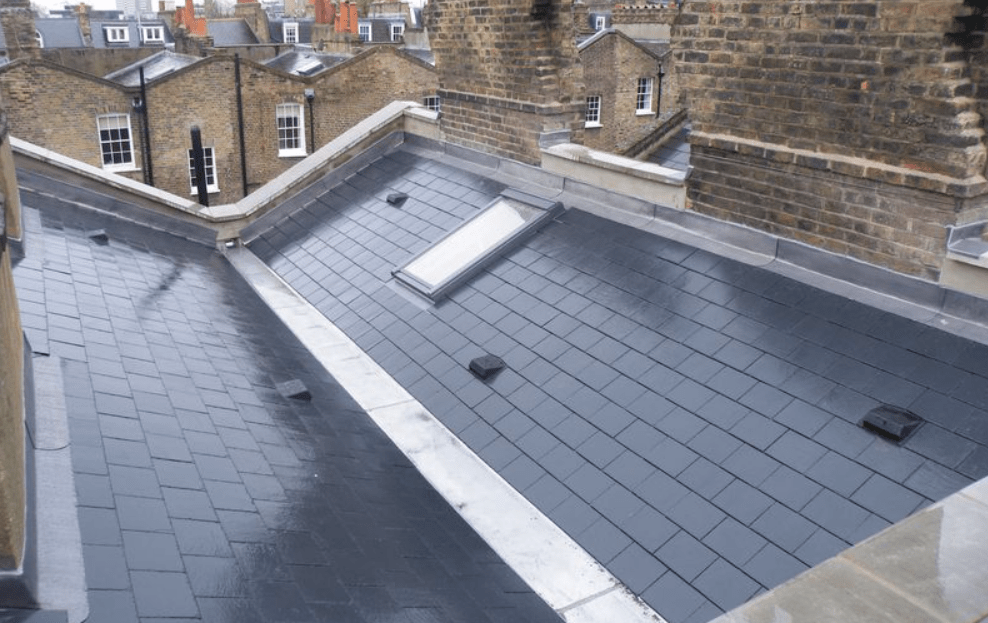
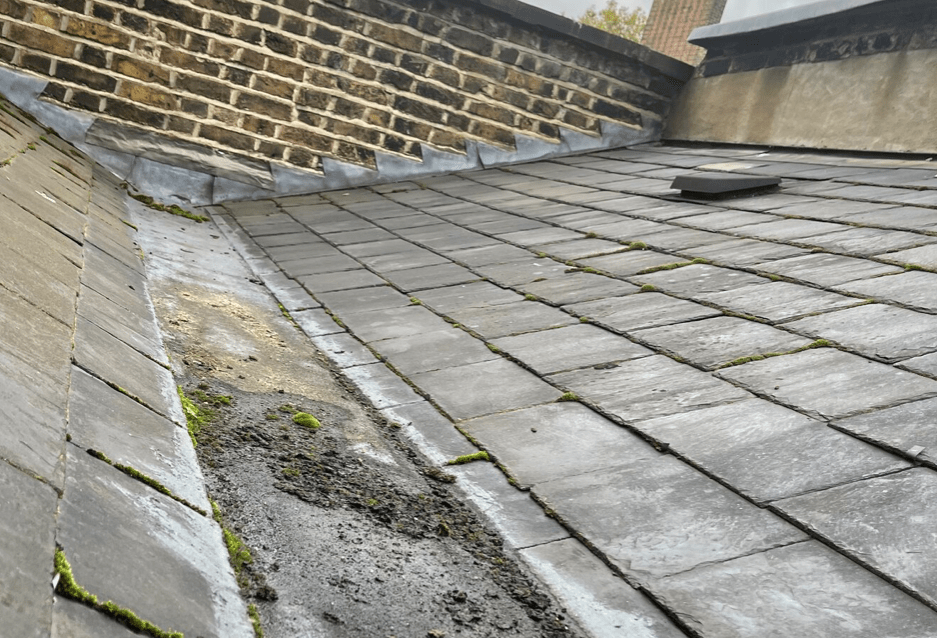
Investment in roof extensions requires upgrading insulation. It is also an opportunity to install renewable systems, such as PV panels. In other words, permitting roof extensions facilitates the much needed retrofit of the existing housing stock.
The Vision, for some reason, does not directly acknowledge the mixture of buildings in the area or that the area is a creation of 19th century urbanism. Perhaps the same blindness explains why the Vision doesn’t record the existence of the WKT Conservation Area, a construct which Camden itself promoted into existence about 15yrs ago.
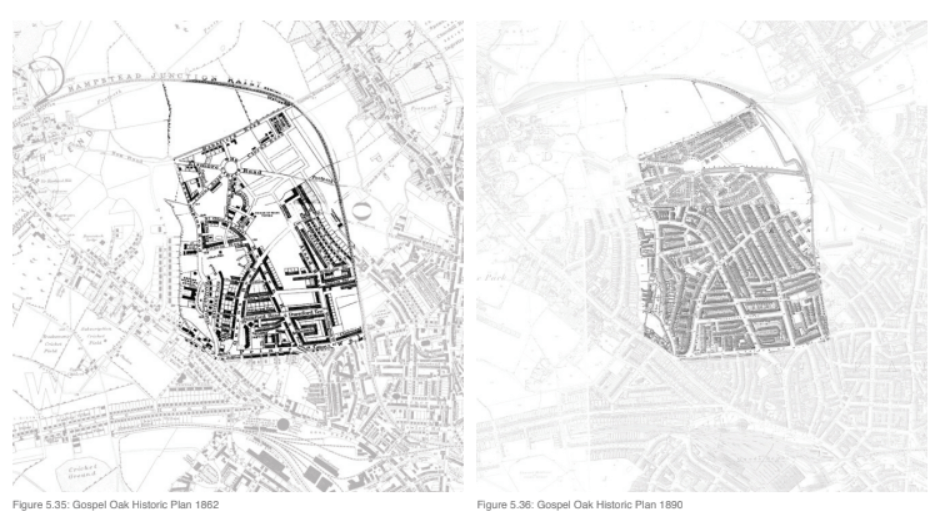
The continuing importance of the original 19thC ordering of urban space – the streets and their interconnection, notwithstanding the comprehensive development of the housing estates in the 60s and 70s – is not recognised as the framework we all live within. Remarkably, the Vision has nothing to say about the future of Malden Road, possibly the most important street in the area. Camden’s 2015 Character Study notes in Gospel Oak that the “The Victorian fabric provides a robust structure with properties fronting onto the residential streets”
What can be learnt from the area’s varied 19th century housing stock is not a question taken up by the Vision’s authors because it is complicated lesson about scale, plot subdivision of sites and, of course, building types.
While the shortcomings of the modernist estates built in the area in the 60s and 70s are used to justify demolition there is no explicit attempt to derive lessons from the older, enduring urbanism of terraced streets. Of course, it is that lesson which Neave Brown and Benson & Forsyth assimilated in their schemes at Dunboyne Rd and Mansfield Rd/Lamble St, producing sophisticated, modern low-rise medium-density housing in the process.
The giants of Camden’s golden era of housing addressed themselves to important questions about density and local continuity of form and building grouping while focusing in a way not seen since on the nature of contemporary domestic inhabitation• The draft versions of the Gospel Oak & Haverstock Vision emphasise good housing is a primary goal of the neighbourhood development
 West Kentish Town